
Phalguna Ashtahnika 2026: Dates, Jain festival’s spiritual importance, and what to do
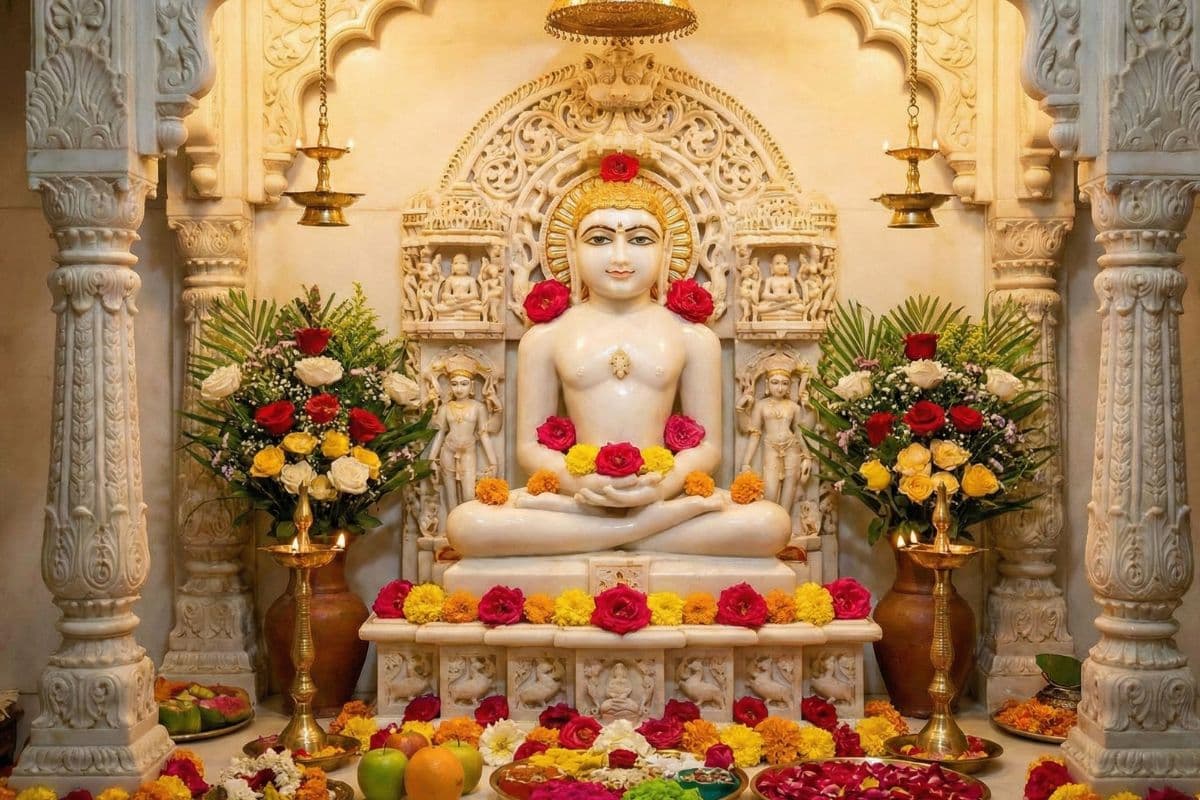
Phalguna Ashtahnika 2026 dates, rituals, spiritual impact, and daily discipline explained for Jain observance
Phalguna Ashtahnika is one of those days that can easily pass unnoticed if you are not attentive. It does not arrive with celebration. It comes simply without any noise and asks you for discipline, continuity, and restraint. Phalguna Ashtahnika 2026 is important because it offers an eight-day window for correction. Here is how Phalguna Ashtahnika 2026 is traditionally observed and why it matters this year.
Dates And Duration Of Phalguna Ashtahnika 2026
Phalguna Ashtahnika 2026 begins on February 24, 2026, Tuesday, and ends on March 3, 2026, concluding on Purnima. The observance lasts for eight continuous days and is part of the Jain fasting festival cycle observed every four months.
When Ashtahnika occurs in the months of Ashadha and Phalguna, it is also known as Nandishwar Ashtahnika.
Why Phalguna Ashtahnika Is Important In Jain Tradition
Ashtahnika is one of the oldest Jain festivals and is celebrated by both Digambara and Śvetāmbara traditions. It falls only second to Dashalakshanaparva in importance. The word Ashtahnika comes from Ashta meaning ‘eight’, and Ahnika meaning ‘daily’. This festival is centred on daily discipline rather than one-time devotion. Jain texts describe this period as suitable for clarity, wisdom, and inner fulfilment through steady practice. It is traditionally observed for gaining clarity, wisdom, and fulfilment of wishes through steady practice.
Spiritual Impact Of Phalguna Ashtahnika 2026
From an astrological perspective, the broader planetary environment during this period reflects themes of restraint and inward focus .Phalguna Ashtahnika 2026 unfolds under a strong Aquarius-dominated planetary pattern.
-
Sun, Mars, Mercury, Venus, and Rahu in Aquarius support mental cleansing and ethical reflection, making silence and restraint easier to maintain.
-
Moon exalted in Taurus supports emotional steadiness, helping you sustain fasting and vows without agitation.
-
Mars in Aquarius directs effort toward purpose, making tapasya feel structured rather than tiring.
-
Saturn in Pisces works on subconscious karmas, encouraging surrender, reduced speech, and faith without expectation.
-
Rahu in Aquarius and Ketu in Leo reduce ego-driven devotion, supporting inward discipline over visible religiosity.
What Is Traditionally Done During Ashtahnika
Traditionally, Jain households reduce movement, speech, and consumption during these eight days. Food is limited and simplified, and daily routines are kept steady. Travel is avoided because movement increases the risk of unintentionally harming small living beings, especially during seasonal changes when life forms are more active. Staying in one place also helps maintain discipline, regular prayer, and mental focus. Entertainment and social engagements are reduced, so your attention remains on prayer, scripture reading, and reviewing your daily conduct. This follows the spirit of Chaturmasa discipline, where restraint protects life and strengthens awareness through consistency.
Daily Do’s During Phalguna Ashtahnika
-
Wake early and maintain personal cleanliness
-
Listening to Moon frequency 210.42 Hz can help you maintain emotional balance and discipline. You can explore more SoulChants on AstroSure.ai to support daily consistency through these eight days.
-
Follow fasting or dietary restraint as per your capacity
-
Perform Siddhachakra puja or Ashtahnika vidhan if possible
-
Read Jain texts or reflect on your ethical conduct daily
-
Avoid unnecessary travel and distractions
-
Maintain controlled speech and simple living
Auspicious Timings On February 24, 2026
You may align prayer or discipline practices during these periods if possible.
-
Labha: 11:09 am to 12:34 pm
-
Amrita: 12:34 pm to 02:00 pm
-
Shubha: 03:26 pm to 04:52 pm
For those who struggle with daily timing and consistency, the daily muhurta on AstroSure.ai can help you choose supportive periods for prayer and reflection without disrupting your routine
The correction during Phalguna Ashtahnika comes through repetition. When you observe all eight days, discipline settles into behaviour. Your speech softens, your choices become measured and that steadiness continues even after the day ends, making you feel clearer and more grounded.
Frequently Asked Questions on Phalguna Ashtahnika 2026
1. What Is Phalguna Ashtahnika, And Why Is It Observed In Jainism?
Phalguna Ashtahnika is an eight-day Jain fasting festival observed for discipline, restraint, and spiritual clarity. It is practised to purify conduct, reduce harm to living beings, and strengthen awareness through daily vows, prayer, and ethical review.
2. What Are The Dates Of Phalguna Ashtahnika 2026?
Phalguna Ashtahnika 2026 begins on February 24, 2026 and ends on March 3, 2026, concluding on the full moon day. It is observed for eight continuous days until Purnima.
3. Why Is Travel Avoided During Phalguna Ashtahnika?
Travel is avoided to minimise the risk of unintentionally harming small living beings, especially during periods of increased life activity. Staying in one place also helps maintain routine, fasting discipline, and regular prayer without distraction.
4. What Are The Daily Do’s During Phalguna Ashtahnika?
Daily observance usually includes early waking, fasting or dietary restraint, reduced speech, prayer or Siddhachakra puja, scripture reading, and avoiding unnecessary movement, entertainment, and social engagements.
5. Is Phalguna Ashtahnika Observed By Both Jain Sects?
Yes, Phalguna Ashtahnika is observed by both Digambara and Śvetāmbara traditions. While specific rituals may vary, the focus on eight days of discipline, restraint, and ethical living remains the same across both sects.