Transform your soul: Visit these 5 legendary shakti peethas at least once
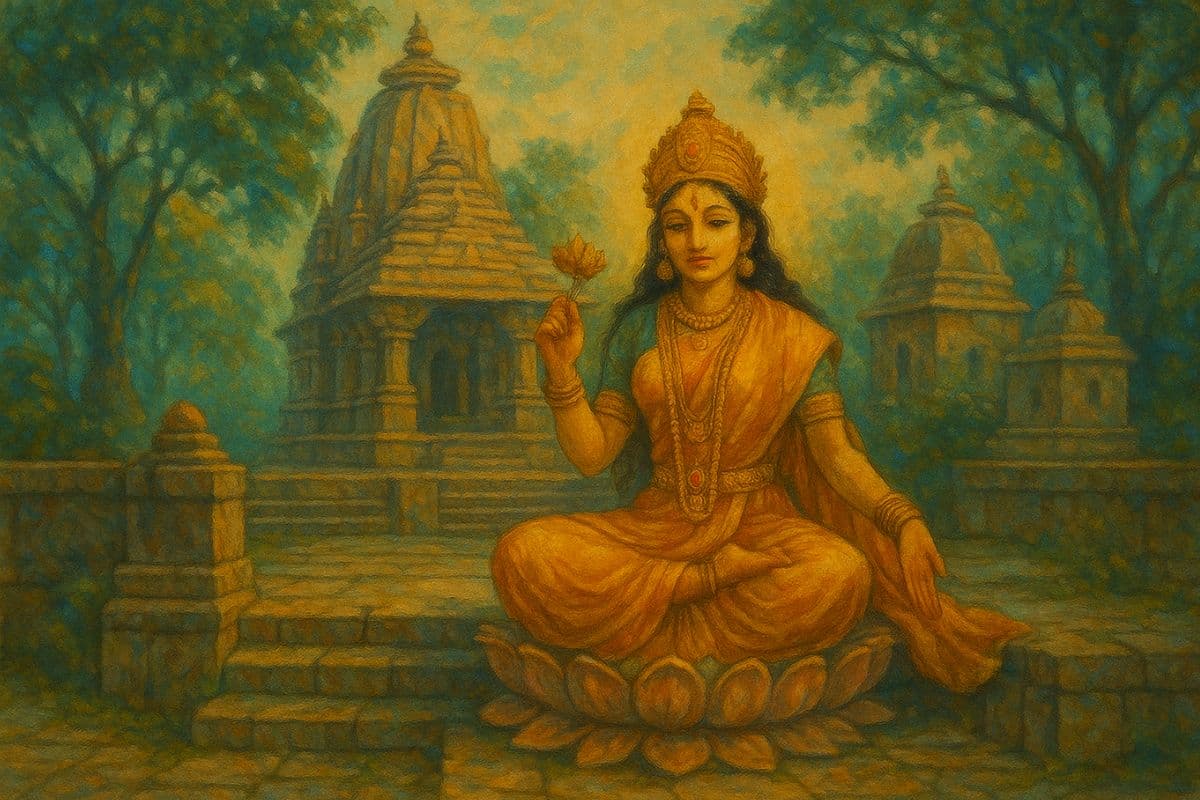
Explore sacred Shakti Peethas, the sites of devotion, power, and transformation
There are temples, and then there are places that feel alive, as if the earth itself is whispering secrets through the wind. That is the nature of the Shakti Peethas. They are not just points on a pilgrimage map. They are energetic heartbeats of the Divine Feminine, places where the presence of the Goddess feels thick in the air.
If you have ever felt a soft pull toward a place you have never visited, or a dream that repeats with symbols you do not fully understand, it might be the call of Shakti. These ancient sites spread across India and South Asia draw seekers, wanderers and believers who are ready for transformation. People travel across states, nations and sometimes lifetimes to reach one. But what truly makes a Shakti Peetha so powerful, and why do these sacred places continue to call so many?
What are Shakti Peethas
According to Hindu lore, Shakti Peethas were formed from the grief of Lord Shiva and the sacrifice of Goddess Sati. When Sati immolated herself after Daksha’s insult, Shiva carried her body in unbearable sorrow. To stop the destruction caused by his grief, Lord Vishnu used his Sudarshan Chakra to gently dismember her body. Each place where a part of Sati fell became charged with her divine frequency.
This gave rise to the 51 Shakti Peethas, each representing a fragment of her energy. They are considered living portals where creation, power, compassion and surrender converge. Visiting one is less about a ritual and more about standing in a space where cosmic wound and cosmic strength exist together.
Why people visit Shakti Peethas
A visit to a Shakti Peetha feels like standing in front of a mirror that does not show your face but your truth. People come not just for blessings but for clarity, release, initiation and healing. Some arrive seeking courage. Some come searching for closure. Others show up without knowing why, only to leave feeling shifted in a way they cannot explain. Each Peetha awakens a different part of the self. Some soften you. Some burn through old patterns. Some bring emotional ease. Others bring fierce clarity. A Shakti Peetha meets you exactly where you are.
Five Shakti Peethas you should visit
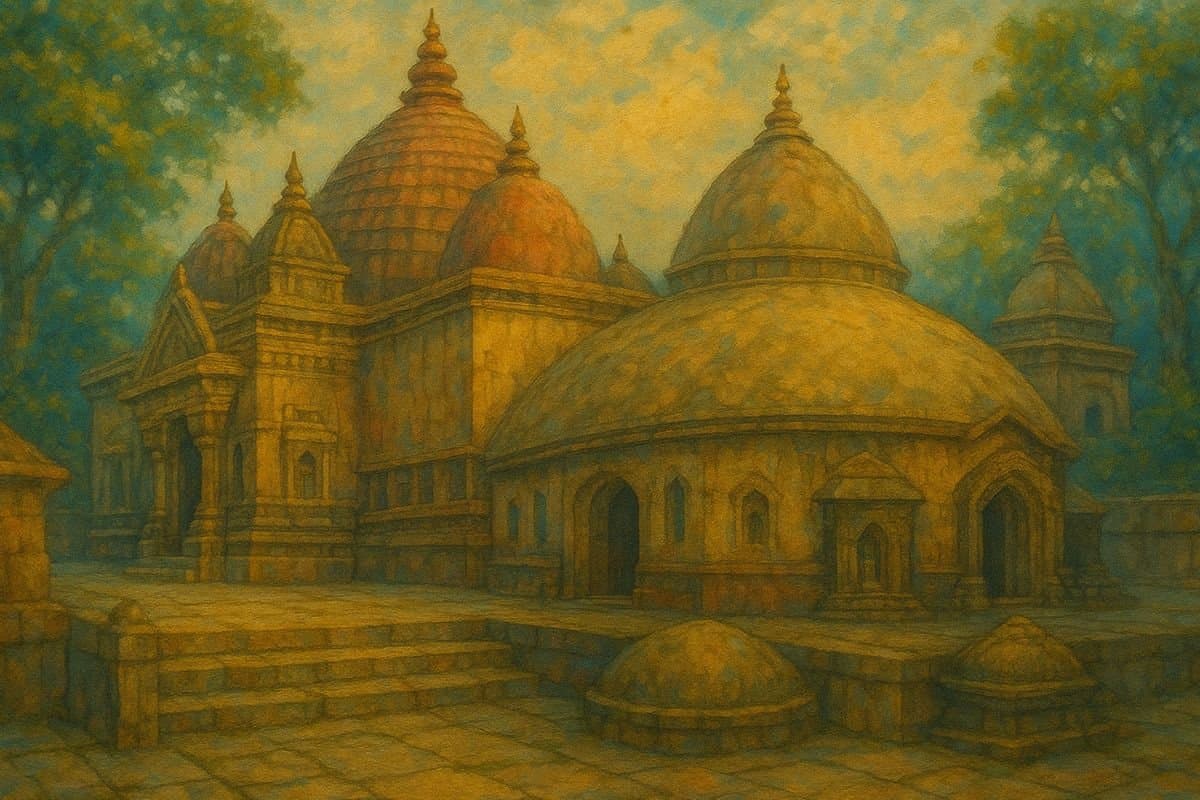
Before the list, here is something to know. Every Shakti Peetha has its own texture. Some vibrate with creation. Some shake you awake. Some feel like sitting inside silence. If you plan to visit, choose a temple that aligns with the emotion you wish to heal or awaken.
1. Kamakhya Devi Temple, Assam
Perched on Nilachal Hill in Guwahati, Kamakhya is where the yoni or womb of Sati is believed to have fallen. This temple embodies creation energy and feminine power in its rawest form. During the Ambubachi Mela, the temple closes for three days to honour the cycle of the Goddess. On reopening, devotees receive a sacred red cloth as prasad. If your life is in a period of renewal or emotional birthing, Kamakhya meets you halfway.
2. Jwala Devi Temple, Himachal Pradesh
Here, there is no idol. There is only an eternal flame rising naturally from a rock crevice. It is believed to be the tongue of Sati. Legends say even Emperor Akbar tried to extinguish it but failed. The flame turned his golden canopy black, as if rejecting ego. Visit Jwala Devi if you seek clarity, cleansing or the courage to release something old.
3. Kalighat Kali Temple, West Bengal
In the heart of Kolkata lies Kalighat, the place where Sati’s right toe is said to have fallen. The Kali here is fierce, alive and direct. This is not a temple of gentle comfort. It is a place of awakening, truth and emotional release. If you are facing inner demons or shedding old identities, Kalighat becomes a catalyst.
4. Katyayani Temple, Vrindavan
Gentle, heart-centred and steeped in devotion, Katyayani is where Sati’s hair is believed to have fallen. The Gopis once prayed here to unite with Krishna. This temple is often visited by those seeking clarity in relationships, emotional grounding or blessings in marriage. During Navratri, the energy here feels especially expansive.
5. Hinglaj Mata Temple, Balochistan, Pakistan
Remote and rugged, Hinglaj Mata is one of the most powerful Shakti sites, where Sati’s head is believed to have fallen. Reaching this temple requires travel through barren deserts and rocky terrain. Those who make the journey describe it as standing inside sacred silence. Visit only if you feel a genuine inner call. This Peetha transforms deeply.
Visiting a Shakti Peetha
Before planning your visit, pause for a moment. Ask yourself what you are hoping to heal, release or awaken. These temples are not attractions. They are energetic thresholds. Keep your phone aside. Carry clean clothes and flowers. Observe rituals quietly. Let the experience move through your body rather than your mind.
If you want guidance, ask Agastyaa on AstroSure.ai to help you to find the right lunar days, the ideal Peetha for your current life phase and personalised mantras for your journey.
The power of Shakti Peethas
There are 51 known Shakti Peethas spread across India, Nepal, Bangladesh, Pakistan and Sri Lanka. You do not need to visit all of them. Even one, visited with intention, can shift something within you. The belief is simple. When you are ready, the Goddess calls.
Ask Agastyaa on AstroSure.ai to guide you to the Peetha, calling your soul
Frequently Asked Questions About Shakti Peethas
1. How many Shakti Peethas are there?
There are 51 widely recognised Shakti Peethas across South Asia.
2. Are all Shakti Peethas equally powerful?
Yes, but each carries a different emotional and spiritual frequency.
3. Can anyone visit a Shakti Peetha?
Yes. These temples welcome seekers, regardless of background or spiritual level.
4. Do Shakti Peethas fulfil wishes?
They amplify intention and clarity. What you seek often becomes clearer.
5. How should I prepare before visiting?
Carry clean clothes, flowers and an open mind. Avoid unnecessary noise or distractions.