
Why do people believe in Astrology? The science and psychology explained
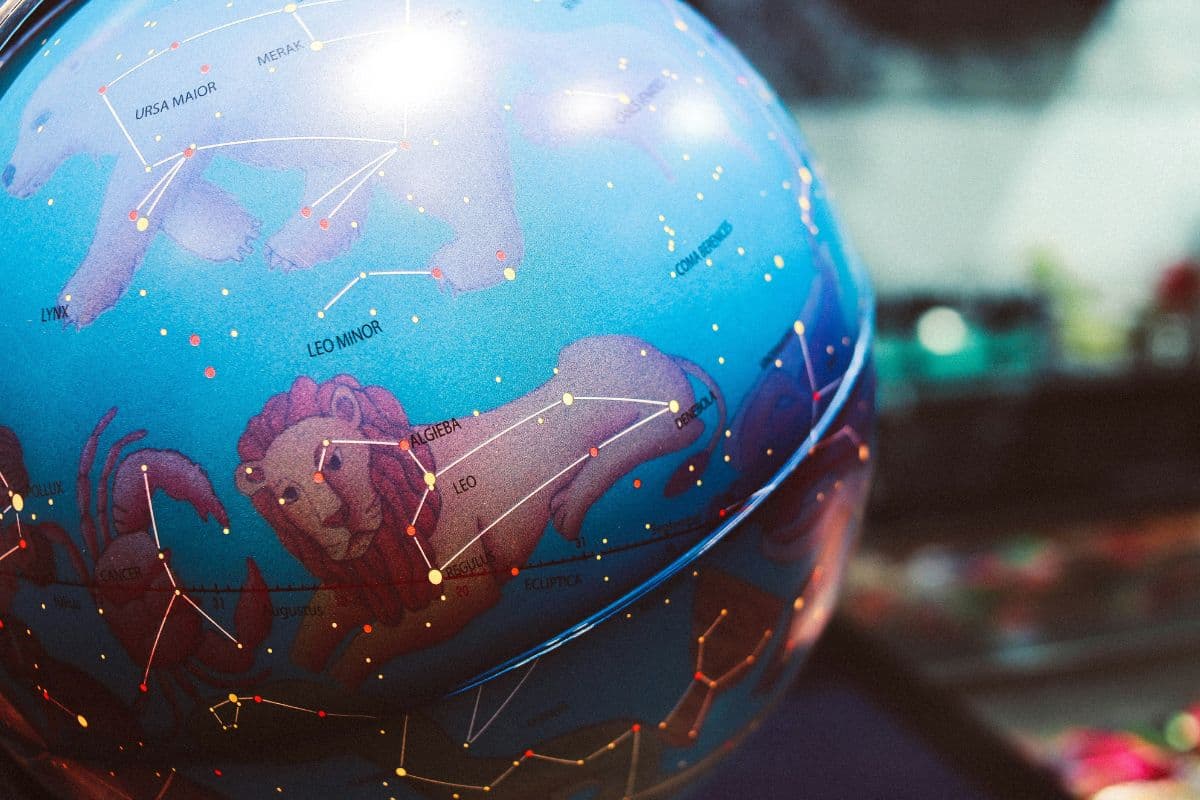
Why people believe in astrology, explained simply
Today, you open Instagram and you instantly find Mercury retrograde memes, zodiac-themed reels and rising sign compatibility jokes. People scroll, laugh, share and deep inside, they are searching for something. That is the interesting thing about psychological astrology. It is no longer only about magazine horoscopes tucked near the back pages. Modern astrology is more about understanding yourself when life feels blurry or uncertain. But why do people believe in astrology at all? And should we actually believe in it? Psychology gives one explanation. Astrology gives another. Surprisingly, they meet somewhere in the middle.
What is astrology really?

Astrology is ancient. Very ancient. Historians believe it began more than two thousand years ago. Early civilisations such as the Babylonians and Greeks started linking the movement of stars with human behaviour. Their observations eventually formed the twelve zodiac signs we use today. Each sign carries its own symbol, its own emotional pattern and a small window into a person’s destiny.
Astrology is not a science in the way astronomy is. You cannot run laboratory tests to check if horoscopes are true. Yet belief in astrology has survived through centuries. It has crossed cultures and moved through entire continents. That staying power says something important. Astrology remains popular because it feels human. It feels personal. It gives people a sense of being understood.
Why do we believe in astrology?
Belief in astrology often appears strongest during moments of uncertainty. In the Great Depression, during global conflicts and even during the recent pandemic, people turned toward the sky for meaning. Not for exact answers, but for a symbolic map. Psychologically, astrology works like a coping tool. It brings comfort when life feels unsure. It does not judge your background or your past. It welcomes anyone who seeks a little meaning. That inclusiveness is why astrology feels reassuring. It gives people a sense of belonging. All of this brings us to the real question of why astrology becomes so comforting during emotionally heavy times. To understand that, it helps to look at the deeper psychological reasons that shape our belief in the stars:
It gives a sense of control: One of the biggest reasons astrology feels comforting is that it offers a feeling of control. Or at least the illusion of it. Psychologists call this an external locus of control. When life feels too random, planets become a story that makes sense. If someone believes that outside forces shape their life, it becomes easier to think that a planet influenced a breakup or a promotion. Should we believe in astrology just for the sense of control? Not entirely. But it certainly feels more soothing than believing life is pure chaos.
It validates identity: If you have ever read your horoscope and thought That is so me, you have experienced the Barnum Effect. This happens when vague statements feel perfectly personal. It is a psychological bias, but it does not make astrology meaningless. Astrological descriptions often reflect your personality in a gentle and accepting way. They reassure you that your emotions and reactions are normal. That validation feels healing. It makes people feel seen.
It helps us tolerate ambiguity: Humans dislike uncertainty. We want patterns, signs and reasons. Astrology provides symbolic explanations. When you are heartbroken, unsure about your career or starting something new, astrology offers a narrative. Not a rigid one, but a symbolic outline that helps you cope. It does not remove uncertainty. It simply makes it easier to live with. That is why astrology becomes more popular during difficult times.
Where astrology meets psychology
Astrology and psychology often look like complete opposites, but they share more than most people realise. Both explore the inner world, just in different languages. Here is how they connect in simple terms”
1. Archetypes and symbols: Carl Jung used archetypes to explain human behaviour. Astrology uses zodiac signs to express similar emotional patterns.
2. Light and shadow: Psychology teaches the concept of the Hero and the Shadow. Astrology reflects these themes through signs such as Aries and Scorpio.
3. Growth and acceptance: Humanistic psychology focuses on self-acceptance and personal growth. Astrology does the same through the understanding of planetary influences.
4. Story and meaning: Narrative therapy helps people make sense of life through storytelling. Astrology offers a birth chart that guides the personal story with symbolic meaning.
Together, astrology and psychology are not opposites. They are two mirrors that reflect different sides of the same inner truth.
Should we believe in astrology completely?

Maybe yes, but in the right way. Astrology is best used as a reflection, as a psychological mirror. Its true value is symbolic rather than scientific. It gives meaning to identity, comfort during uncertainty and a language for emotion. That is why belief in astrology never disappears. It keeps growing. People simply want a story that helps them understand themselves. Astrology gives that story through the stars. And sometimes, that is exactly what we need.
Ask Agastyaa on AstroSure.ai for insights that bring clarity and emotional understanding
Frequently Asked Questions about why people believe in astrology
1. Why do people believe in astrology
People believe in astrology because it brings comfort, meaning and a sense of being understood. It offers symbolic guidance during confusing or stressful moments and helps people make sense of their emotions.
2. Should we believe in astrology
Astrology is not scientific, but it is valuable as a reflective tool. It helps with self-awareness, emotional clarity and understanding personal patterns, which makes it meaningful when used thoughtfully.
3. What is psychological astrology, and how does it differ from traditional astrology
Psychological astrology focuses on inner motivations, emotional needs and personal growth. Traditional astrology focuses more on prediction and external events. Psychological astrology is mainly reflective, while traditional astrology is more interpretive.
4. Why is astrology so popular in modern times
Modern life brings fast changes, emotional pressure and constant uncertainty. Astrology feels personal and relatable, and it offers a sense of belonging. Social media also makes it easy to access, which increases its popularity.
5. How does astrology provide comfort or control during uncertain times
Astrology offers symbolic explanations that make life feel less chaotic. It gives people a narrative to hold on to when things feel uncertain, which creates a sense of comfort and emotional grounding.